
The World’s Mountains: Majestic Giants of Earth
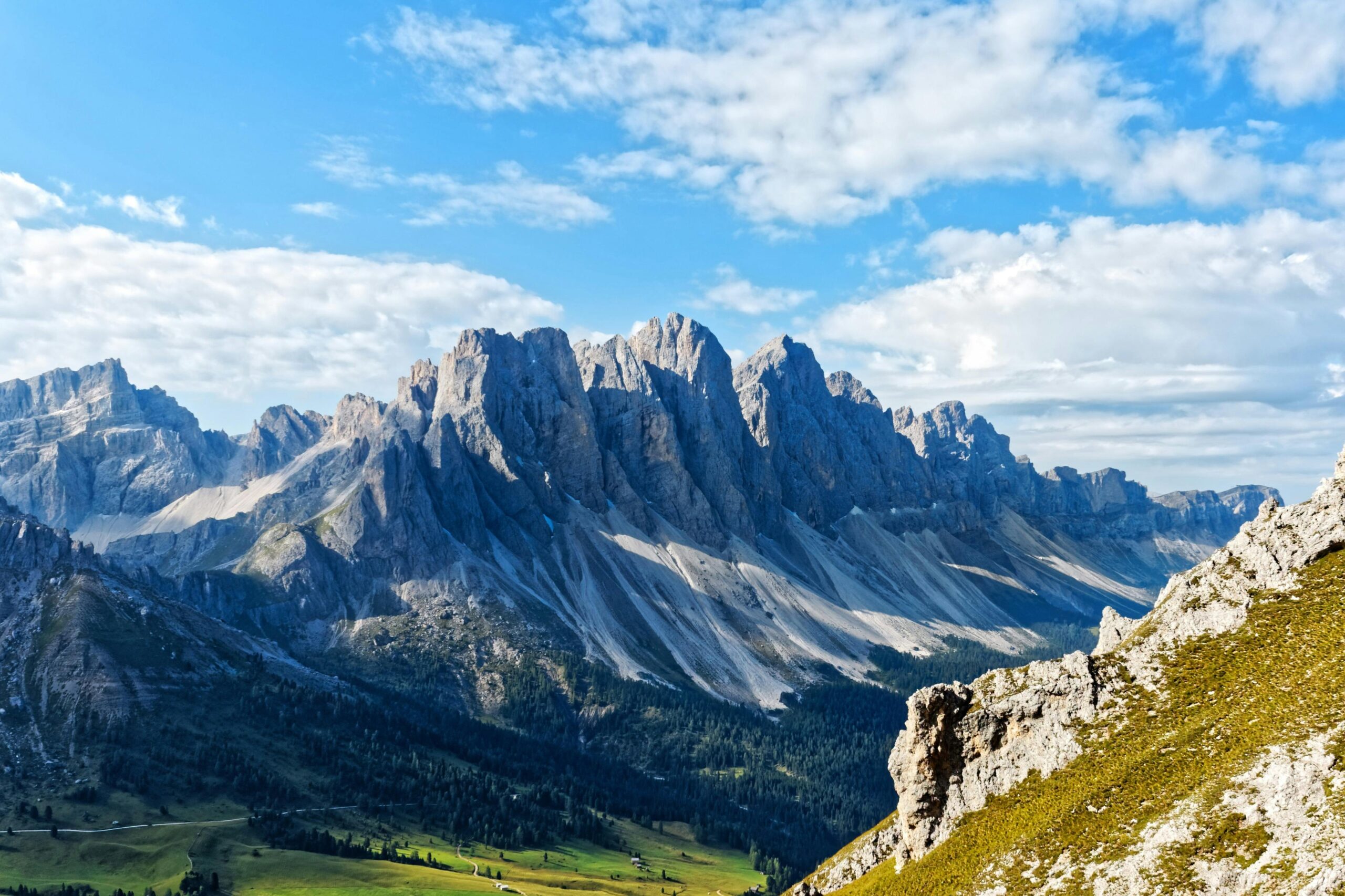
Mountains are among the most striking and majestic natural features on Earth. These towering formations of rock and earth rise dramatically from the landscape, shaping ecosystems, cultures, and weather patterns across the globe. From the snow-capped peaks of the Himalayas to the ancient ranges of the Appalachians, mountains have long captivated the human imagination and played a vital role in the planet’s environmental balance.
What Are Mountains?
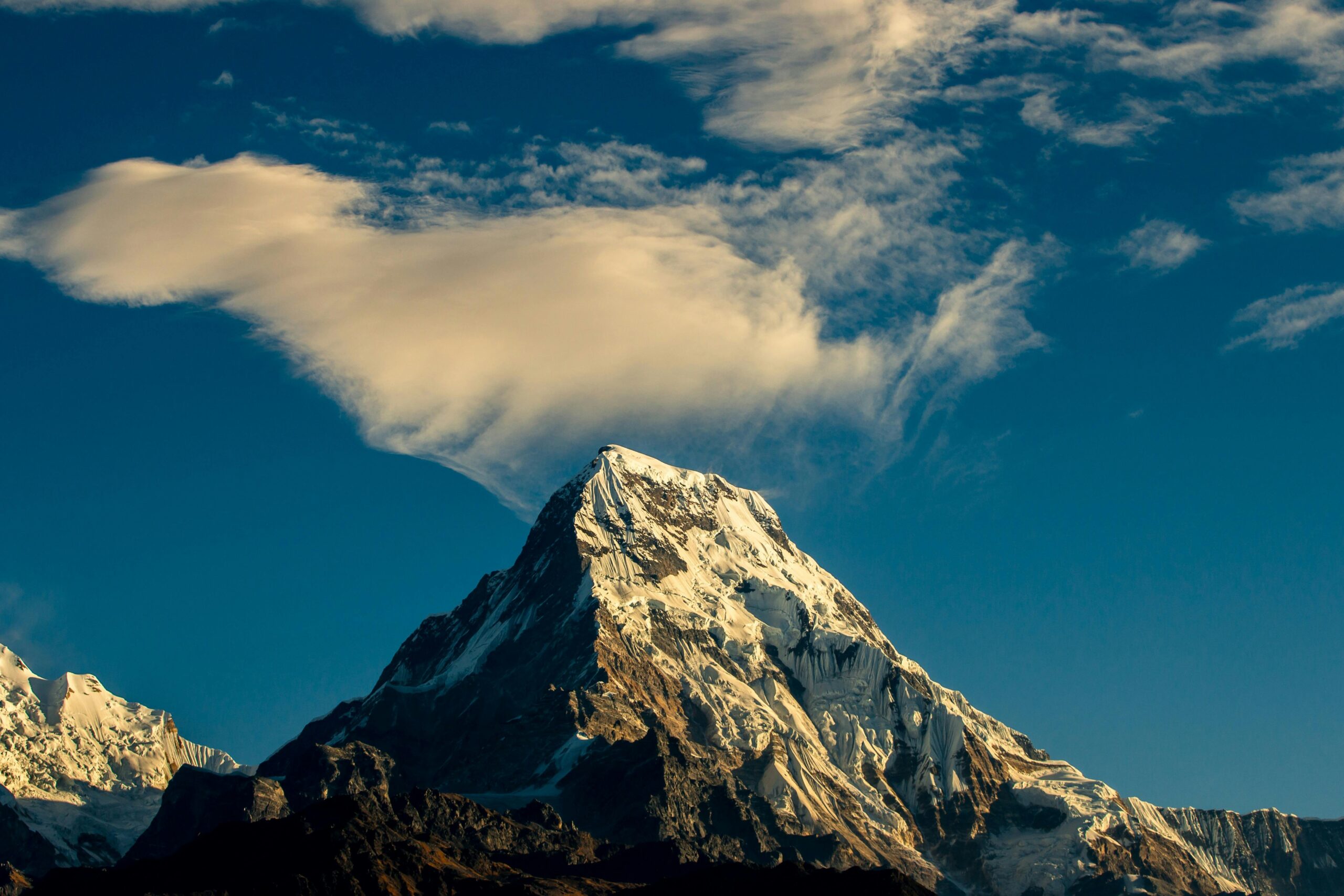
A mountain is a large landform that rises prominently above its surroundings, typically having steep slopes and a summit or peak. Geologically, mountains are formed primarily through tectonic forces or volcanism. These processes create uplifted areas as Earth’s crust is pushed together or molten rock emerges from below the surface. Over time, erosion and weathering shape these formations further, giving each mountain or range its unique appearance.
Mountains are classified into different types based on their formation:
Fold Mountains – Formed by the collision of tectonic plates. Example: The Himalayas.
Fault-block Mountains – Created when large blocks of Earth’s crust are tilted, uplifted, or dropped. Example: Sierra Nevada.
Volcanic Mountains – Formed from volcanic activity. Example: Mount Fuji.
Dome Mountains – Result from magma pushing the crust upward. Example: Black Hills.
Plateau Mountains – Formed by erosion of an uplifted plateau. Example: Catskill Mountains.
The Tallest Mountains in the World
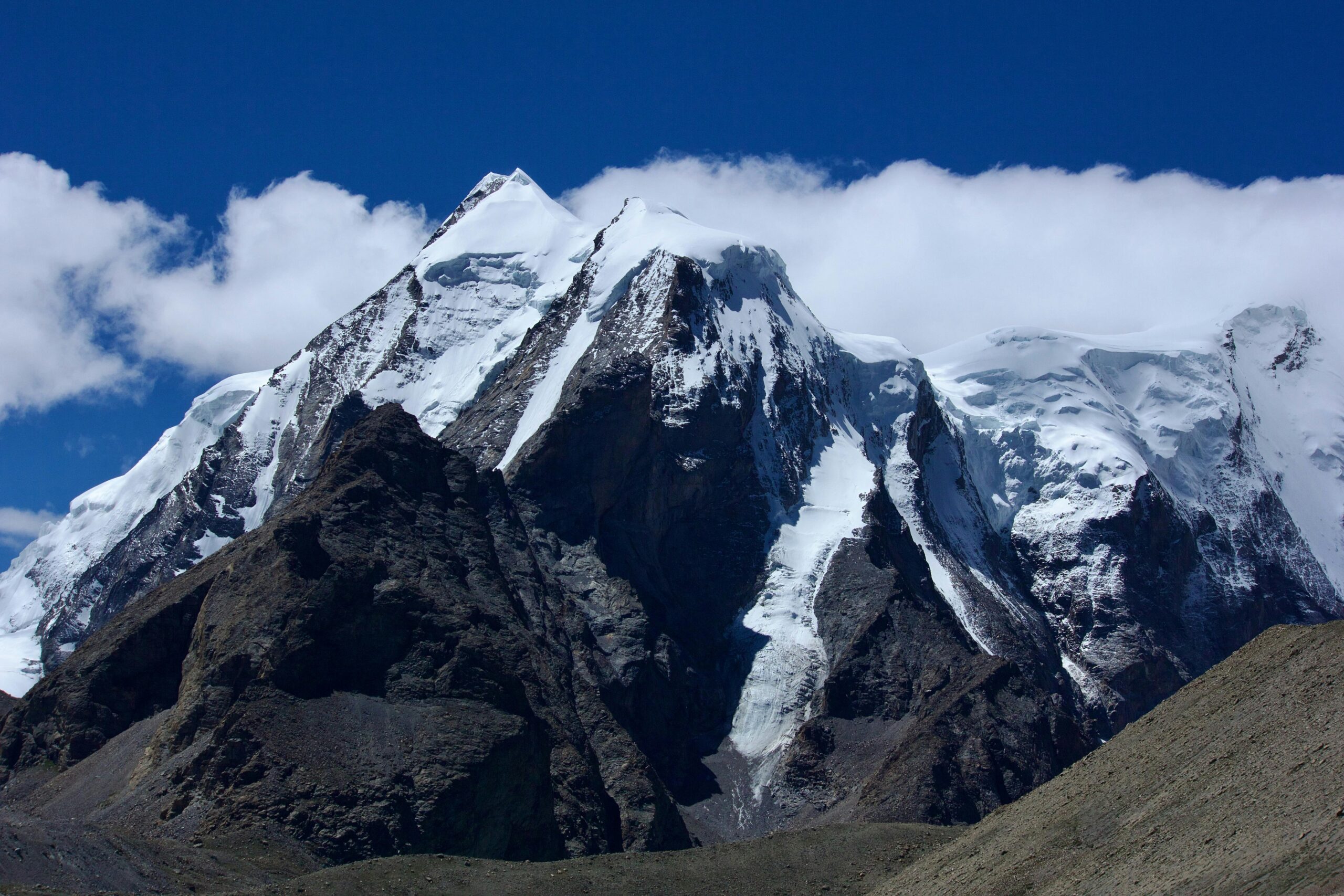
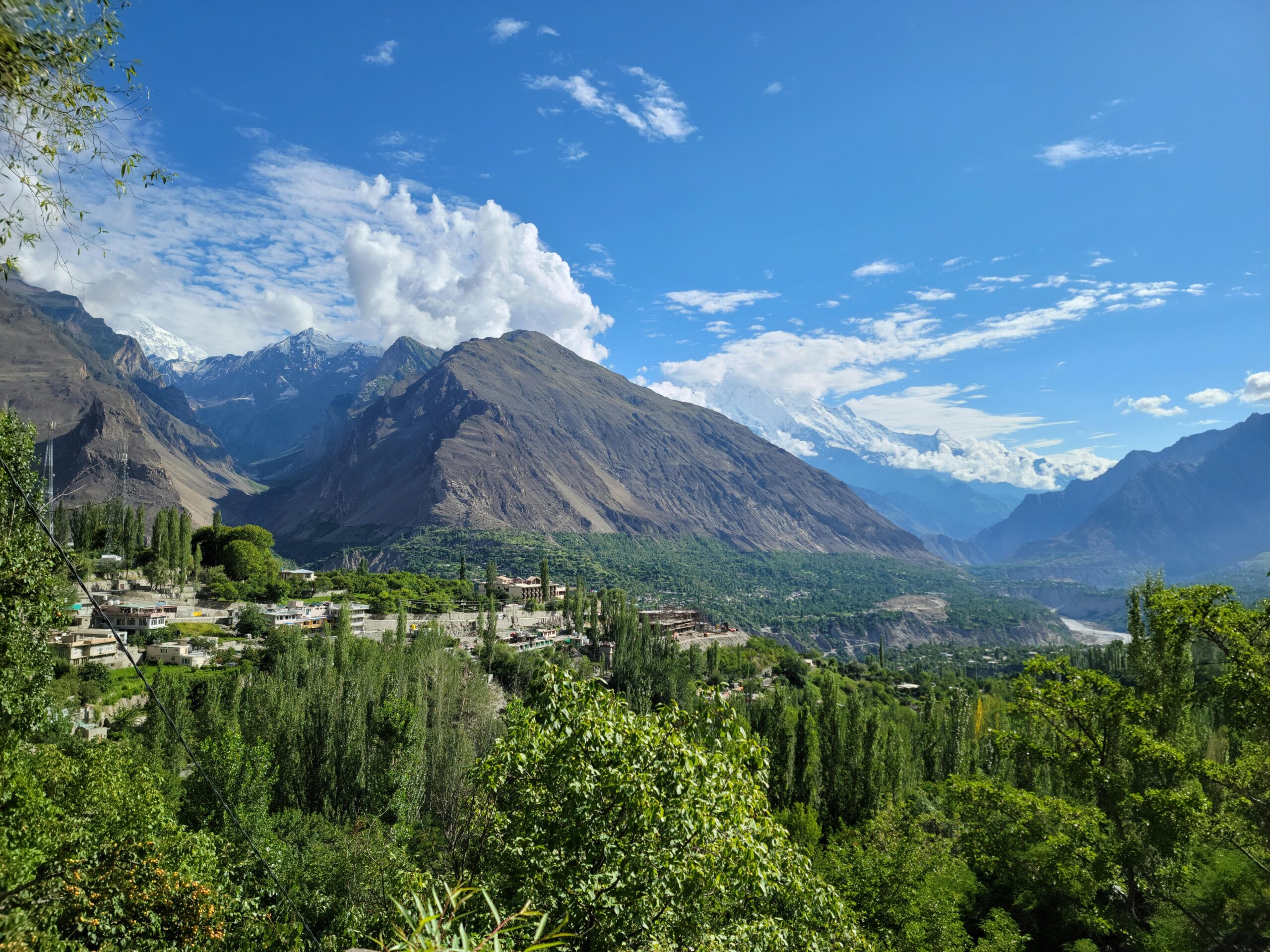
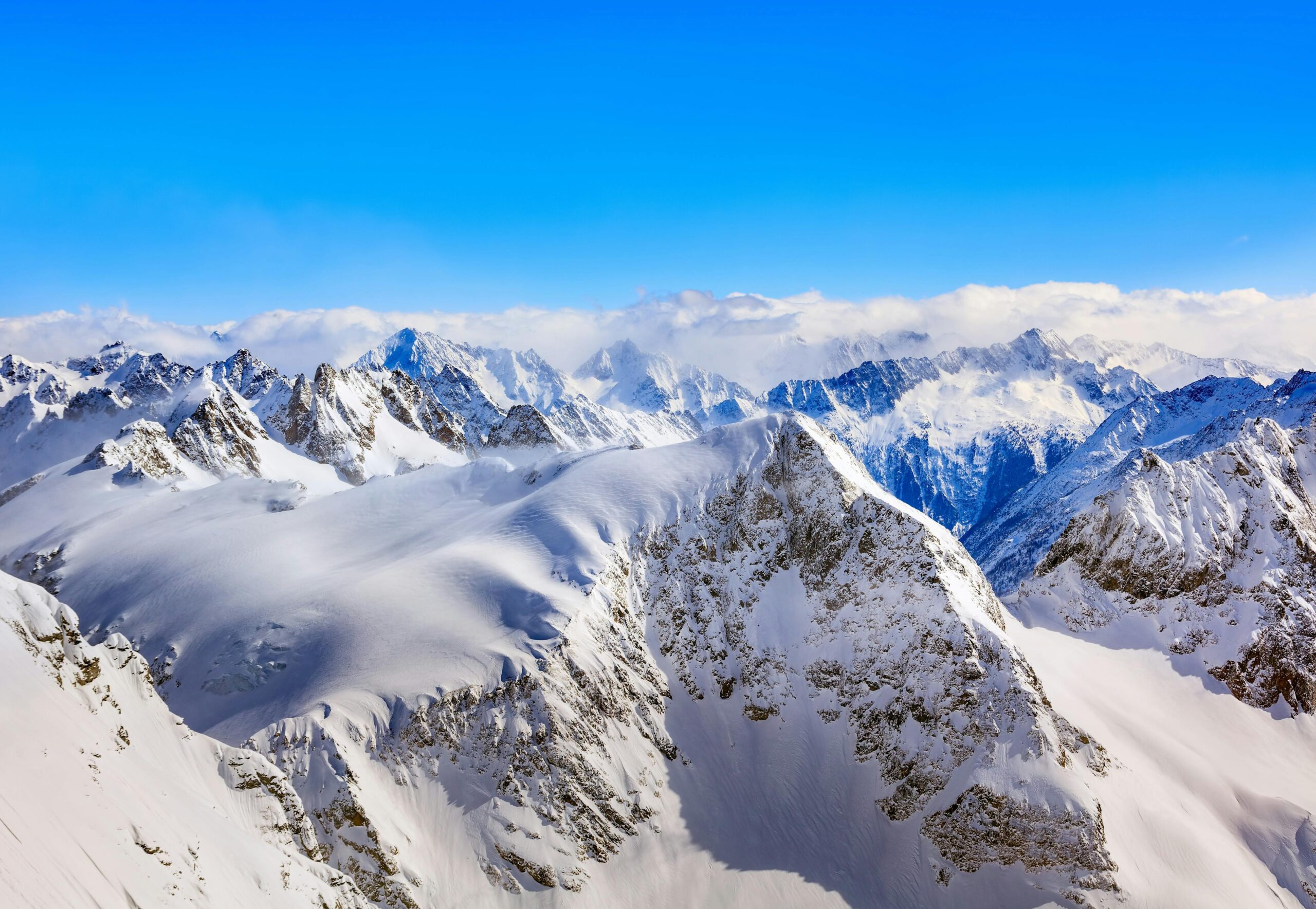
The most famous and tallest mountains are located in Asia, specifically in the Himalayas and the Karakoram ranges. The Himalayas alone contain 10 of the world’s 14 highest peaks, all exceeding 8,000 meters.
Mount Everest (8,848.86 m / 29,031.7 ft) – Located in the Himalayas on the Nepal-Tibet border, Everest is the highest point on Earth. Known as “Sagarmatha” in Nepal and “Chomolungma” in Tibet, it has long been a symbol of human endurance and adventure.
K2 (8,611 m / 28,251 ft) – Also known as Mount Godwin-Austen, K2 is the second-highest mountain on Earth, located in the Karakoram Range of Pakistan. It is considered more difficult and dangerous to climb than Everest.
Kangchenjunga (8,586 m / 28,169 ft) – The third-highest mountain, located between Nepal and the Indian state of Sikkim. It is revered by locals and often left unclimbed at the summit out of respect.
Other notable peaks include Lhotse, Makalu, Cho Oyu, and Annapurna I, each with their own legacy of beauty and challenge.
Famous Mountain Ranges
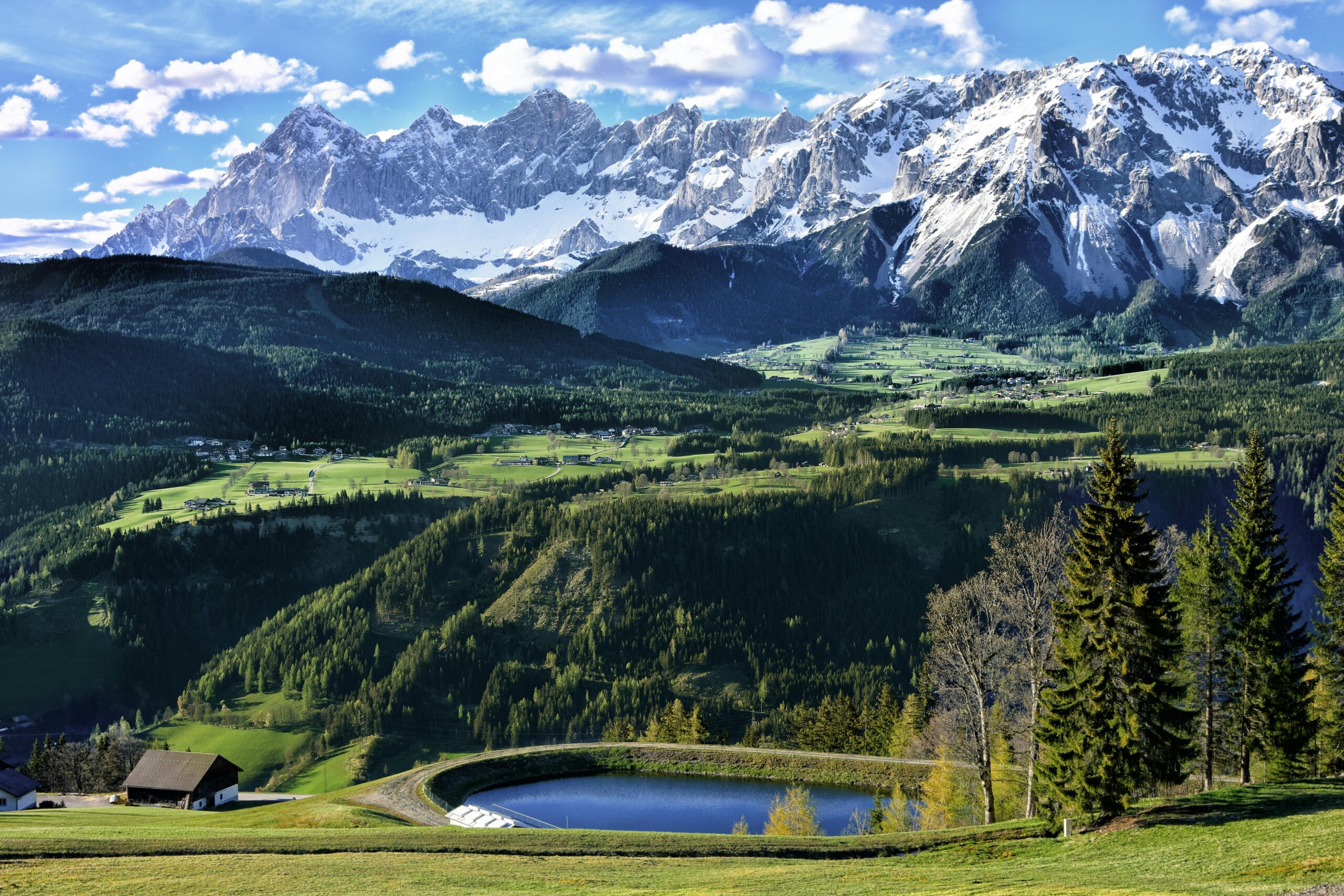
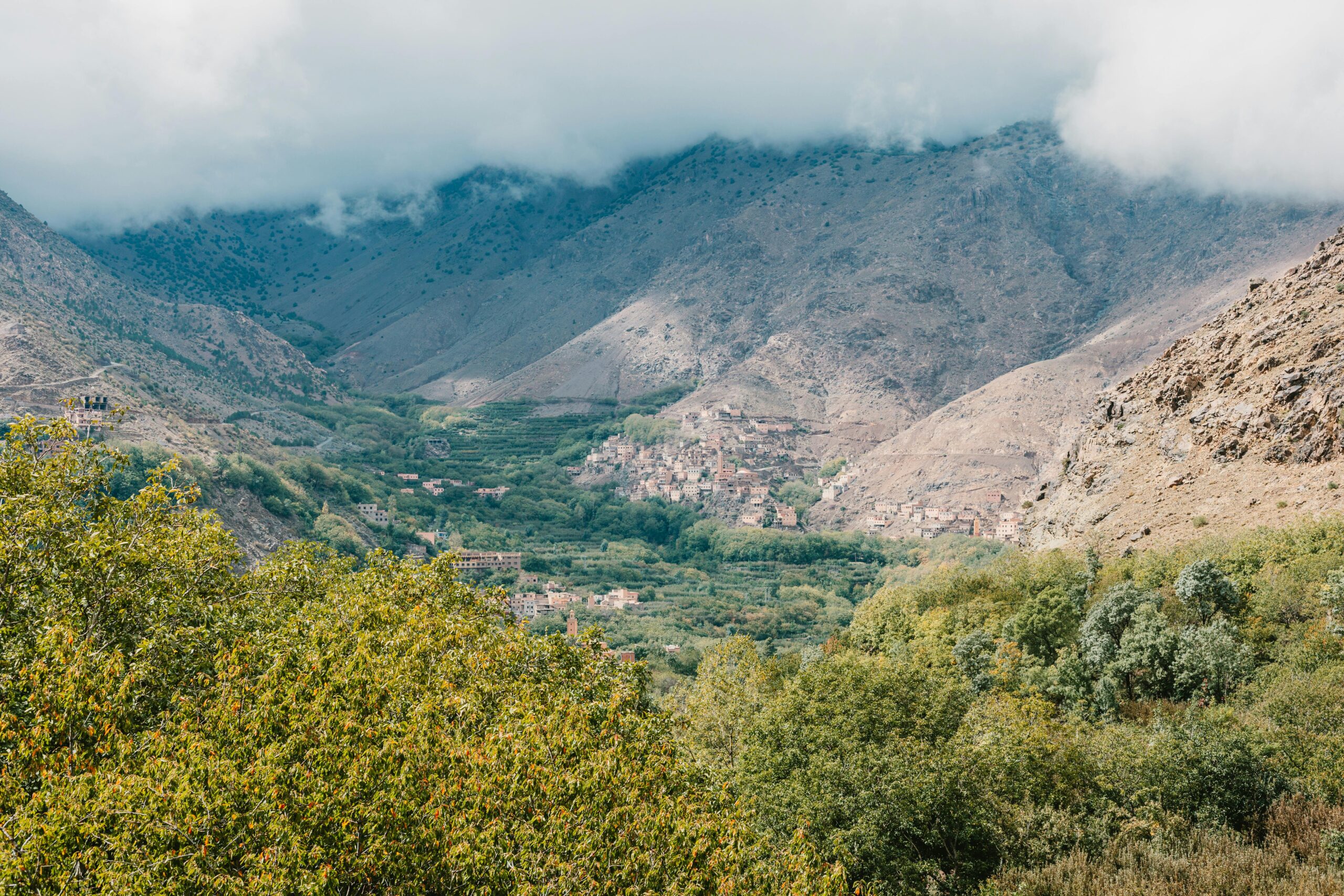
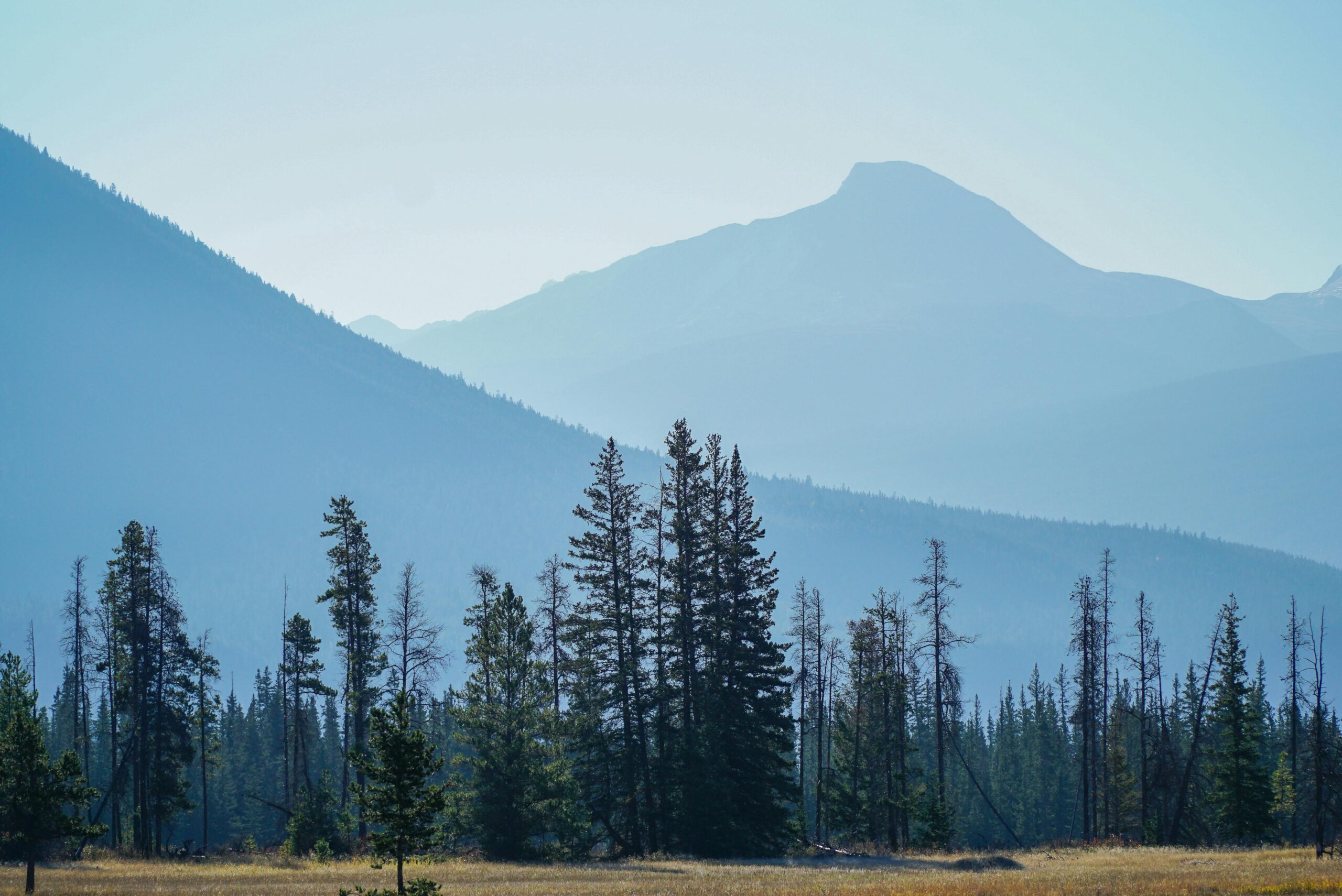
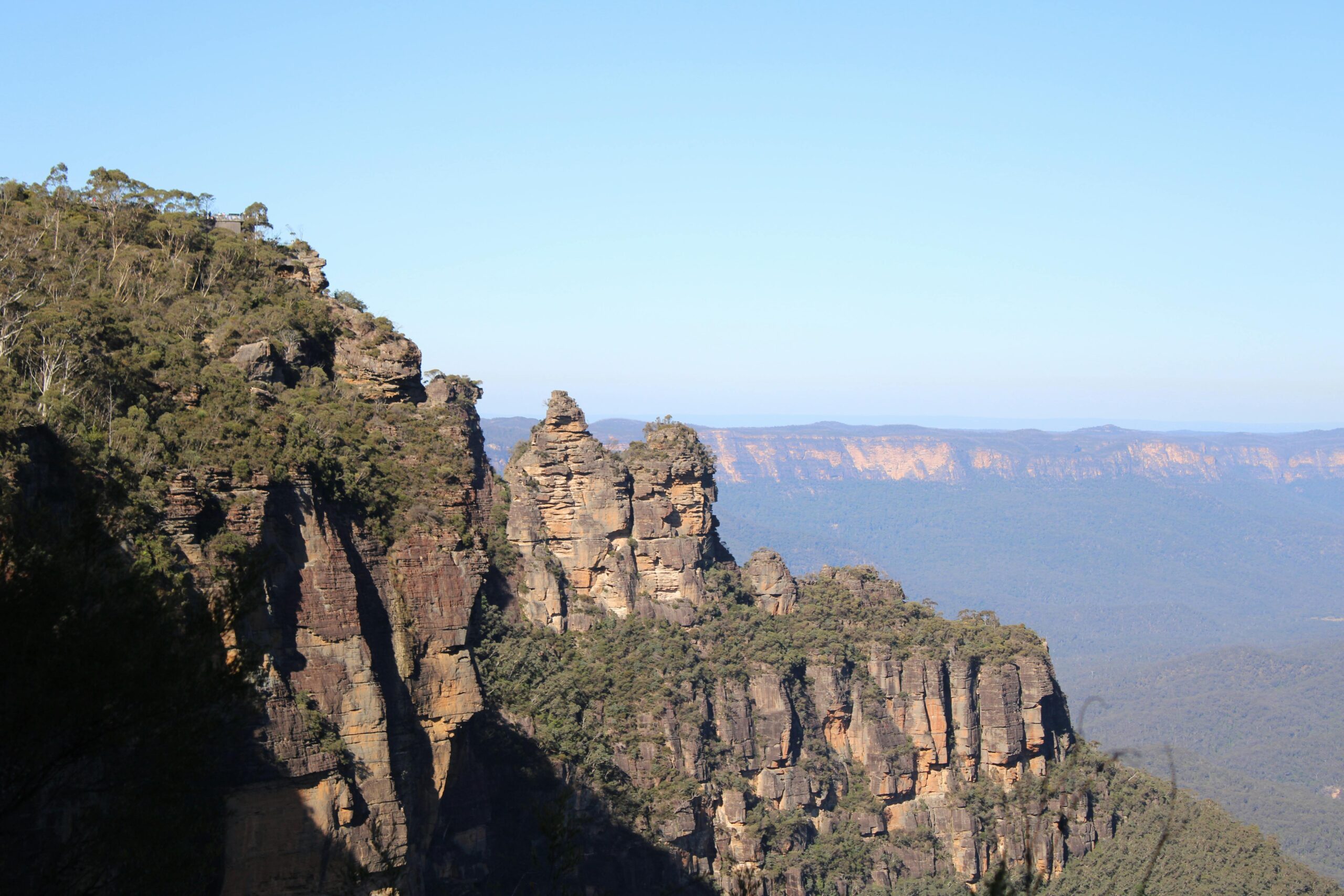
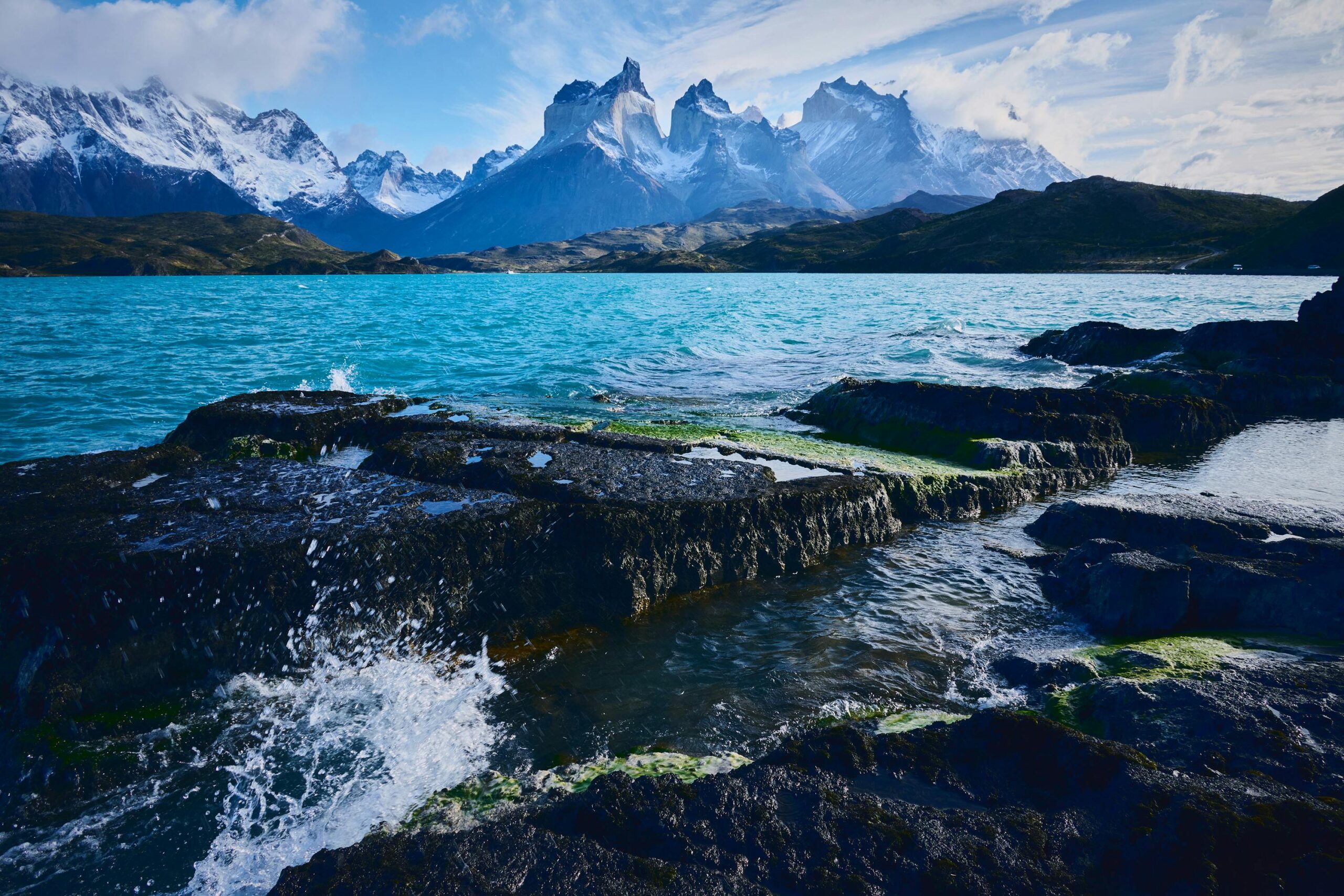
While the Himalayas dominate in terms of height, many other mountain ranges around the world are equally significant in terms of geography, biodiversity, and cultural importance.
The Andes – Stretching along the western edge of South America, the Andes is the longest continental mountain range in the world, covering over 7,000 km. It is home to Mount Aconcagua (6,961 m), the tallest mountain outside Asia.
The Rockies – Extending through Canada and the United States, the Rocky Mountains are known for their scenic beauty, wildlife, and recreational opportunities.
The Alps – Central Europe’s famous range, the Alps span across countries like France, Switzerland, Italy, and Austria. Mont Blanc (4,808 m) is the highest peak in the range.
The Atlas Mountains – Found in North Africa, these mountains are important for their biodiversity and historical significance.
The Great Dividing Range – Located in eastern Australia, it is not as high but is vital to the continent’s climate and river systems.
Mountains and Climate
Mountains play a crucial role in shaping local and global climates. As moist air rises over mountain ranges, it cools and releases precipitation, creating lush, green regions on the windward side. The leeward side often lies in a “rain shadow,” where dry conditions prevail. This phenomenon explains why mountainous regions can have diverse ecosystems within short distances.
Mountains also influence broader weather patterns. The Tibetan Plateau, for example, significantly affects the Asian monsoon system. Additionally, the snow and glaciers on mountains act as freshwater reservoirs for millions of people.
Mountain environments are rich in biodiversity. Due to their range in elevation, they provide various habitats from base to peak. For example, a single mountain may include tropical forests at its base and alpine tundra near the top. This range creates isolated ecosystems where unique species can evolve.
Human Life in the Mountains
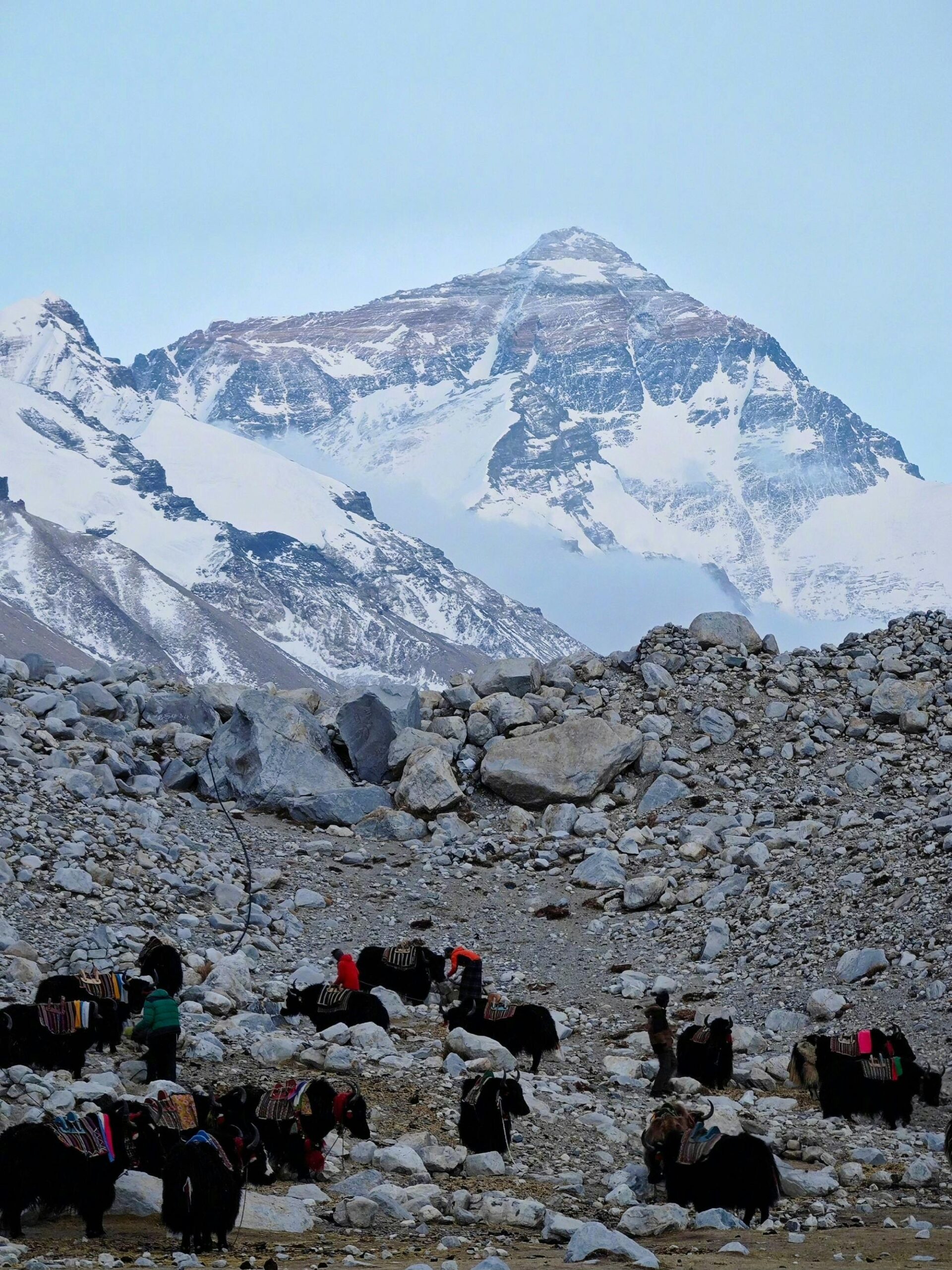
Despite their rugged terrain and often harsh climate, mountains have long been home to human civilizations. Indigenous cultures have adapted to mountain life for centuries, developing unique traditions, architecture, and agricultural practices.
Famous mountain peoples include:
The Sherpas of Nepal, renowned for their mountaineering skills.
The Quechua and Aymara in the Andes, who have maintained traditional ways of life since Incan times.
The Berbers of the Atlas Mountains, with a rich cultural heritage.
Terraced farming, adapted crops, and traditional knowledge allow communities to thrive in these challenging environments. Yet, these populations often face modern challenges such as isolation, lack of services, and the impacts of tourism.
Mountains have inspired explorers, adventurers, and spiritual seekers throughout history. Today, they are a major draw for tourism. Activities like hiking, skiing, rock climbing, and mountain biking contribute to the economy of mountainous regions.
Conclusion
Mountains are more than dramatic backdrops or tourist destinations. They are vital ecosystems, cultural cradles, and climate regulators. Whether scaling Everest, trekking through the Andes, or simply admiring a local peak, humans have always found inspiration and meaning in these giants of stone and snow.
As the world confronts climate and environmental crises, the protection and appreciation of mountains are more important than ever. Ensuring their sustainability will help preserve not only their natural beauty but the millions of lives that depend on them.